Overland Fresh Logic Lab

Prepared Overlanders
Come Home Safe

Essential safety systems, protocols, and mindsets for responsible van life and overlanding worldwide.

⚠️ Updated for 2026 — new border protocols included
Scroll
Vehicle Safety
Medical
Navigation
Communications
Camp Safety
Legal & Borders
Mental Health
Safety Essentials

The Core Six

Every overlander, regardless of experience level, needs these six pillars in place before leaving the tarmac behind.

🚗

Vehicle Recovery

Always carry a full recovery kit — hi-lift jack, snatch strap, shackles, traction boards, and a shovel. Know how to use each piece before you need it.

💊

First Aid

Wilderness first aid training is non-negotiable for remote travel. Your kit is only as good as the hands using it — get trained before you leave.

📡

Satellite Comms

Garmin InReach, SPOT, or Zoleo — you need two-way satellite communication in areas with no cell service. Not optional for serious overlanding.

🔥

Fire Safety

A dry powder extinguisher in every rig, mounted and accessible. Know your cut-off switches, carry a fire blanket, and never leave a camp fire unattended.

💧

Water Safety

Never trust unknown water sources. Carry filtration (Sawyer, Katadyn), purification tablets, and always maintain a 3-day emergency water reserve.

🗺️

Navigation Backup

Paper maps, offline GPS (Maps.me, Gaia), and a compass are essential redundancy. Tech fails — analog maps never run out of battery.

Vehicle Safety

Your Vehicle Is Your Life

In the backcountry, your rig is your shelter, your escape, and your survival tool. A mechanical failure 200km from help is more than an inconvenience — it's a genuine emergency. Treat your pre-trip checklist as seriously as your route plan.

  • Tires pressured and spares checked
  • Fluid levels topped — oil, coolant, brake, power steering
  • Recovery gear loaded and accessible
  • Emergency tools packed — tow rope, jumper cables, shovels
  • First aid kit stocked and within easy reach
  • Communications devices charged — sat comms, radio
  • Fuel calculated with reserve — know your range
  • Route filed with someone trusted back home
Download Pre-Trip Checklist PDF
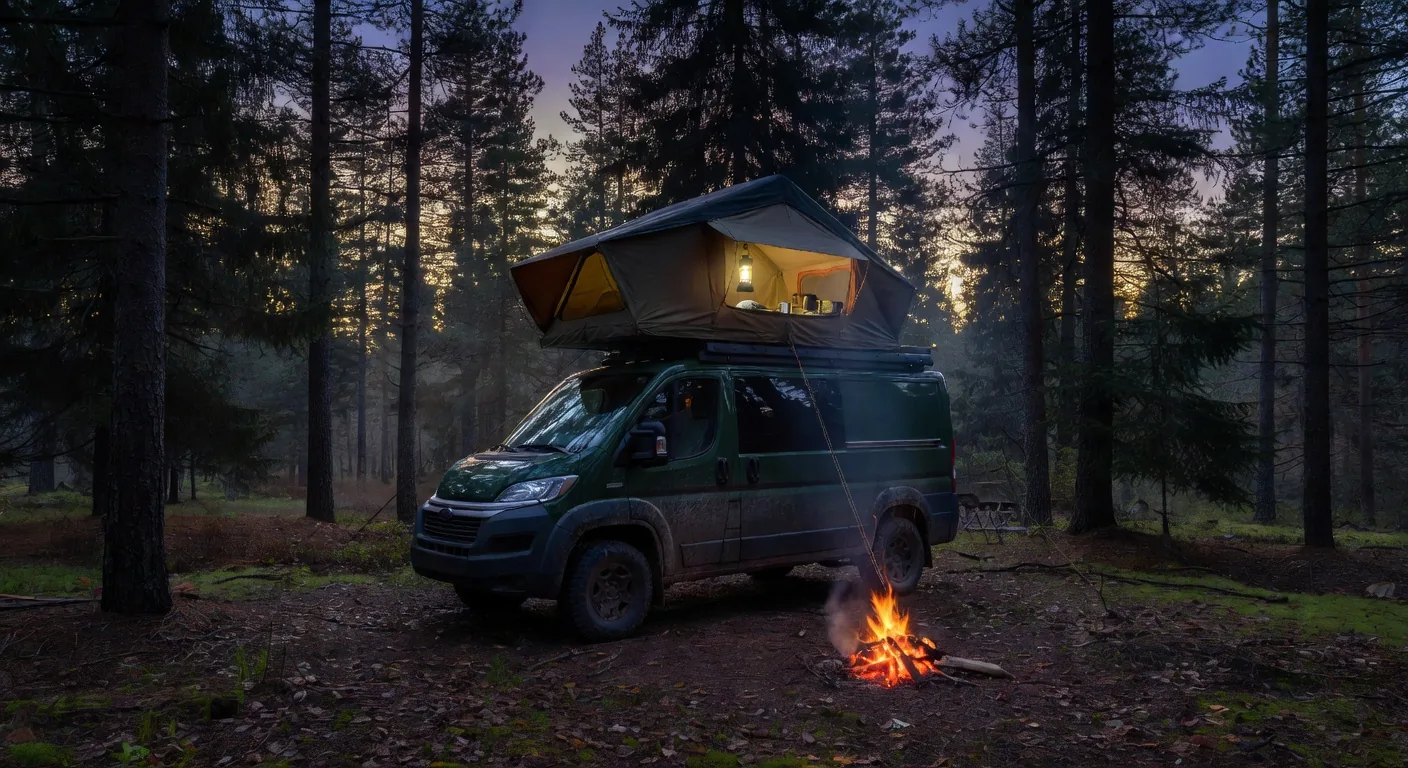
Van with rooftop tent in forest
Safety Principle If in doubt, don't go out
Medical Preparedness

Wilderness First Aid

When the nearest hospital is a day's drive away, your first aid knowledge becomes your primary healthcare system. We recommend all overlanders take a certified Wilderness First Aid course before long-distance travel — and carry a kit proportional to their risk level.

Click any kit level below to see recommended contents.

Basic Kit — Day Trips & Weekenders

+
  • Adhesive bandages (assorted)
  • Sterile gauze pads and roller bandage
  • Antiseptic wipes and cream
  • Medical gloves (non-latex)
  • Tweezers and scissors
  • Pain relief — ibuprofen, paracetamol
  • Antihistamine tablets
  • Emergency blanket

Advanced Kit — Multi-Week Overlanders

+
  • Everything in Basic Kit
  • SAM splints and elastic bandages
  • Irrigation syringe for wound cleaning
  • Suture strips / wound closure strips
  • Oral rehydration salts
  • Broad-spectrum antibiotics (with training)
  • Epipen (if prescribed)
  • Snake bite compression bandages
  • Eye wash solution
  • Digital thermometer

Expedition Kit — Remote / High-Risk Routes

+
  • Everything in Advanced Kit
  • IV fluids and administration set (trained users)
  • Airway management tools (NPA, BVM)
  • Haemostatic dressings (QuikClot / Combat Gauze)
  • Tourniquet (CAT or SOF-T Wide)
  • Prescription medications — consult wilderness physician
  • Pulse oximeter and blood pressure cuff
  • Dental emergency kit
  • Personal EpiPen kit

Recommended Courses

Equip yourself with the knowledge to handle emergencies far from professional medical care.

🏥

Wilderness First Responder (WFR)

70–80 hour course. Gold standard for serious backcountry travelers. Covers patient assessment, trauma, evacuation protocols.

🩺

Wilderness Advanced First Aid (WAFA)

40–50 hours. Excellent intermediate option for overlanders who want more than basic first aid skills.

📋

Remote First Aid

16–24 hours. A solid foundation for van lifers on shorter trips or as a refresher between longer certifications.

River Crossing Guide

Crossing Water Safely

River crossings are one of the most common causes of vehicle loss and overlander fatalities. Treat every water crossing with absolute respect — even shallow-looking rivers can flip a vehicle in seconds.

1

Walk it first

Assess depth, current strength, and riverbed condition on foot before committing your vehicle. Use a walking stick for stability and probe the bottom.

2

Deflate tires slightly

Reducing tire pressure to around 15–18 PSI increases the contact patch, improving traction on slippery riverbeds and gravel banks.

3

Cross in low range, steady throttle

Engage 4L before entering. Maintain a consistent, slow speed — never stop in the middle of a crossing unless forced to.

4

Keep momentum, don't race

Steady, deliberate momentum prevents bow waves from entering the engine bay. Too slow stalls the vehicle; too fast creates a dangerous wave.

5

Check brakes on the other side

After exiting, apply brakes gently while rolling to heat and dry the brake pads. Wet brakes can have zero stopping power.

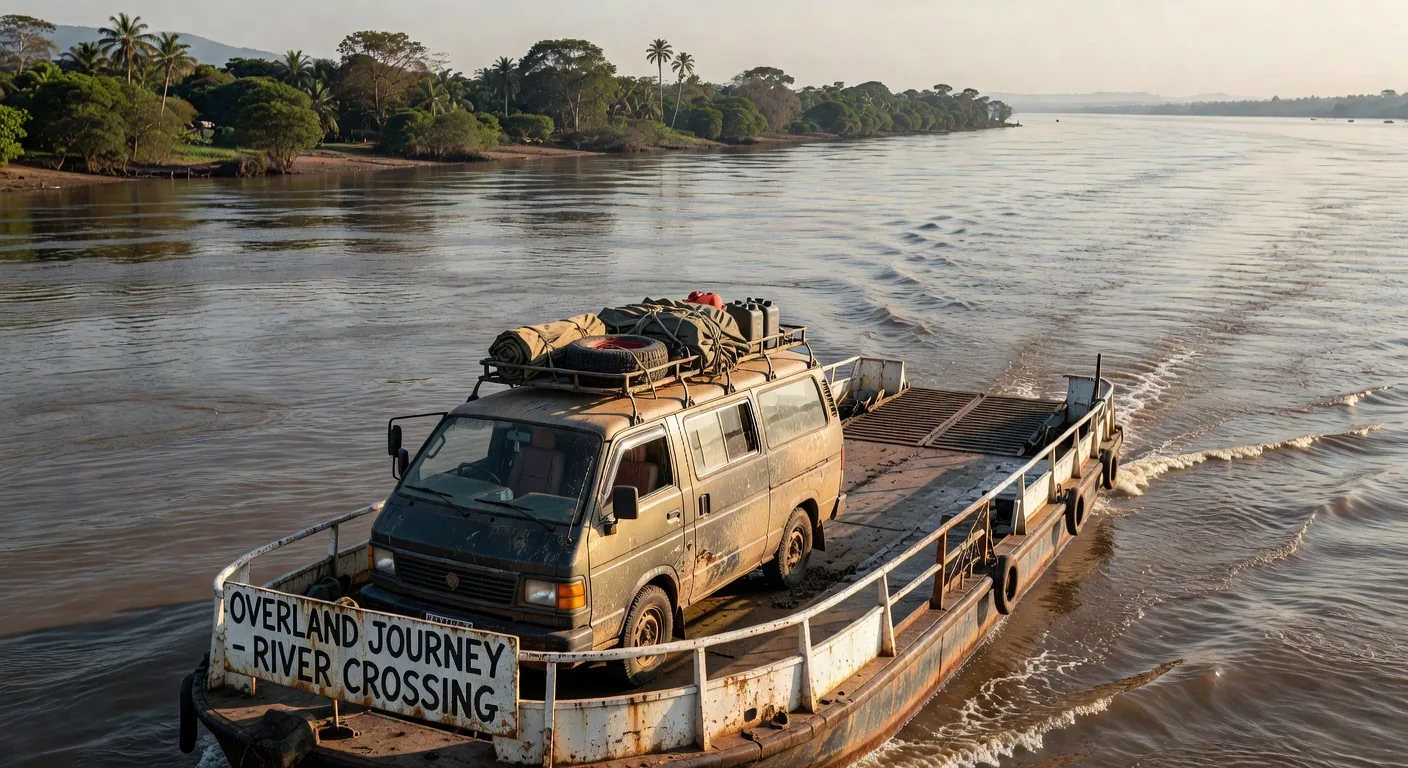
Van on ferry river crossing

⚠️ Danger Signs — Turn Back

  • Fast or turbulent current — even ankle-depth can sweep a vehicle
  • Muddy or cloudy water — hides depth, debris, and soft bottom
  • Debris, logs, or floating material in the current
  • Water depth approaching or above door sills
  • Steep or unstable entry and exit banks
  • Unknown crossing — no local intel or recent reports
Communications

Satellite Communicators Compared

Garmin InReach Mini 2

$349
  • Two-way global messaging
  • Iridium satellite network
  • Live tracking
  • Topo maps integration
  • Monthly subscription required
  • Small screen

SPOT Gen4

$149
  • Affordable entry point
  • SOS 24/7 monitoring
  • Globalstar network
  • One-way messaging only
  • No two-way communication
  • Limited global coverage

Zoleo

$199
  • Two-way messaging
  • Iridium network
  • Works with smartphone app
  • Weather forecasts
  • Requires phone for full use
  • Subscription plans vary

Bivy Stick

$179
  • Very compact and lightweight
  • Two-way messaging via app
  • Iridium network
  • No monthly minimum
  • Requires Bluetooth phone connection
  • Battery life shorter than rivals
Mental Health

The Road Tests Your Mind Too

Van life and overlanding are sold as freedom — and they are. But they're also long stretches of isolation, mechanical stress, border anxiety, loneliness, and the weight of always having to figure it out. Acknowledging this reality is the first step in managing it. You're not weak for struggling on the road — you're human.

The overlanders who last longest aren't the toughest; they're the ones who've built sustainable mental habits and aren't afraid to ask for help when the wheels feel like they're coming off emotionally, not just mechanically.

📞

Stay Connected Intentionally

Schedule regular calls with people back home. The satellite communicator is for more than SOS — use it to maintain real human connection on remote stretches.

📓

Keep a Road Journal

Writing daily helps process the scale of what you're experiencing. It's also your best documentation for the stories you'll tell later.

🛑

Give Yourself Permission to Stop

Rest days are not wasted days. Parking somewhere beautiful and doing nothing for 48 hours is part of the journey, not a detour from it.

👥

Find Your Fresh Logic Lab

Isolation compounds loneliness. Seek out other overlanders, locals, and communities wherever you are. The Fresh Logic Lab forum is a 24-hour lifeline of people who understand exactly what you're feeling.

🧠

Know When to Seek Help

Persistent anxiety, depression, or emotional numbness are signs that you need professional support — and that support is accessible remotely. Apps like BetterHelp and Crisis Text Line operate globally. There is no shame in using them, and doing so makes you a better overlander, not a worse one.

🆘 In an Emergency

If you or someone in your group is in immediate danger, don't hesitate. Your satellite communicator exists for exactly this moment. Every second counts in a genuine survival situation — act decisively and stay calm.

1
Activate your SOS device Hold SOS on InReach / SPOT / Zoleo. GEOS monitoring responds 24/7.
2
Stay with your vehicle Your vehicle is visible from the air and provides shelter. Do not wander unless forced.
3
Signal your position Mirror flashes, whistle blasts (3 = distress), bright clothing on vehicle roof.
4
Contact your emergency list Message your designated contacts via satellite. They should know your route and expected check-ins.
Common Questions

Overland Safety FAQ

The most frequently asked safety questions from the Fresh Logic Lab community — answered honestly.

Do I need special insurance for overlanding?
+

Yes — standard vehicle and travel insurance rarely covers overland travel, especially for off-road driving, border crossings, or remote areas. Look for specialist overlanding insurance that covers vehicle recovery, medical evacuation, third-party liability in foreign countries, and roadside assistance in regions you're planning to visit. Providers like Campbell Irvine, World Nomads, and Battleface offer relevant products. Always read the exclusions carefully — especially regarding off-road use and driving on unmaintained tracks.

What documents should I always carry?
+

Always carry: your passport (plus visa documents), vehicle registration, driver's license (international driving permit where required), vehicle insurance certificate, Carnet de Passage en Douane (for many African and Asian border crossings), and any country-specific permits. Keep digital copies in a cloud backup and physical copies in a separate location from your originals. A travel-sized waterproof document wallet kept on your person is highly recommended when crossing borders on foot.

How do I handle a breakdown in a remote area?
+

First: stay calm and stay with your vehicle — it's your shelter, your signaling platform, and the thing rescue teams will be looking for. Use your satellite communicator to inform contacts of your position. Attempt only repairs you are trained and equipped to do safely. Activate SOS only if there is a risk to life — not just inconvenience. Carry a minimum 3-day emergency supply of water and food for exactly this scenario. Before your trip, learn the basic mechanical repairs most likely to occur on your specific vehicle — fan belts, hoses, electrical fuses, and tire repairs are good starting points.

Is solo overlanding safe for women?
+

Many women overland solo successfully and safely all over the world. Risk exists for all overlanders regardless of gender — the key is preparation, situational awareness, and community intelligence. Research cultural norms carefully before visiting each country, use the Fresh Logic Lab community to get real, recent intel from women who've done the exact routes you're planning, trust your instincts, and develop a network of check-ins. Resources like Vanlife Diaries, Girls on the Move, and the Female Van Life community offer first-hand guidance and support networks.

What's the #1 mistake overlanders make?
+

Overconfidence in unfamiliar terrain — specifically, committing to a route or crossing without adequate intel, preparation, or a clear exit strategy. The second most common mistake is traveling without a satellite communicator in areas with no cellular coverage. Overlanding fatalities and serious incidents are overwhelmingly preventable, and almost all trace back to skipping the basic preparation steps that experienced overlanders treat as non-negotiable. The most experienced people on the road are usually the most cautious — there's a reason they've been doing it for 20+ years.

Free Download

Download Full Safety Handbook

42 pages of distilled overland safety knowledge — vehicle prep, wilderness medicine, border protocols, communications, and mental health on the road. Printable, offline-ready, and updated for 2026.

Download Safety Handbook (PDF)